Monday, November 3, 2008


1. 7 main difference between bactirea ane eukaryotic cells are ones got a nuclues, 10time smaller cell size, single cells, consists of a single circular peice of DNA, reprodused by binary fission, simple structures, and metobolic ability.
2.
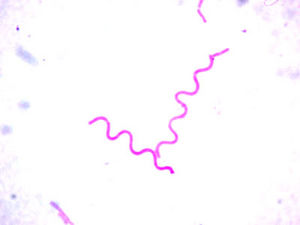


3.gram stannin is important in medicine because the two groups of bacteria differ in their susceptibility to different antiboitics


4.is a process in which two orginisms exchange genetic material


5.no orgennels, rigid cell wall, yes has pilli: sticks to surface and join bacteria cells, rotates flagella to move.
binary fission is how it reproduces

Friday, October 3, 2008

Parts of cell


Nucleus: organelle that houses the DNA of eukaryotic cells
mitochondria: orgenelle that produces much of the ATP made by a eukaryotic cellcell
membrane:Lipid Bilary with embedded protiens that encloses the cytoplasm; essential to the
cell's cytoplasm; also called the plasm membarne.
ribosome: organelle on which protiens are
madegolgi appratis: organelle that packages and distributes molecules produced by eukaryotic
cellsendoplasmic retculum: cekk membranes in the cytoplasm that transport substance made by the cell.
lysome:organelle in a eukaryotic cell that contains digestive enzymescentral vacule: membrane bound cavity in plant cells used for storage.
chloroplast: ordanelle that uses light energy to make carbogydrates from carbon dioxide and water.
cell wall:the structuse that surrounds the cell membrane abd provides support for the cell

Thursday, April 24, 2008

Newtons Laws


Newton’s Laws
1. An object at rest remains at rest and object in motion maintains its velocity unless it experiences an unbalanced force.
2. The unbalanced force acting on an object equals the object’s mass times its acceleration.
3. The acceleration of an object is proportional to the net force on the object and inversely proportional to the object’s mass.